
Resilience
Roots in the Ash
Elara returns to her community center after a devastating fire, only to find strength in a child's gift.
Elara returns to her community center after a devastating fire, only to find strength in a child's gift.
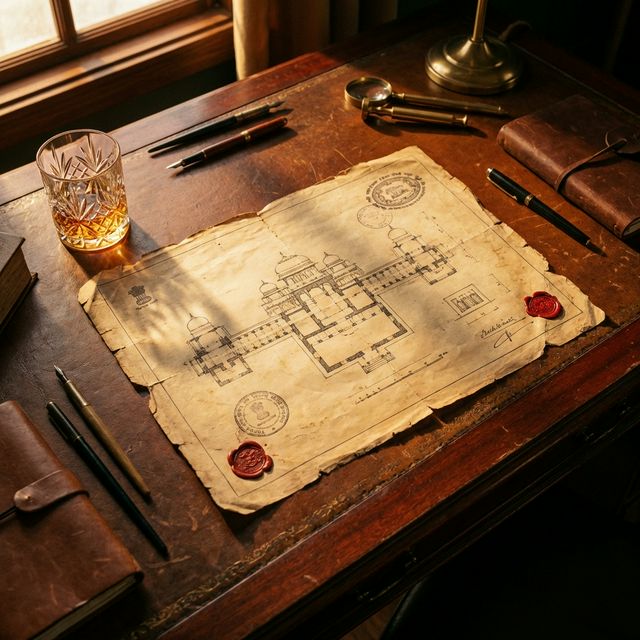
Maya uses her architectural knowledge to turn a stolen legacy into a heavy burden for her uncle.

When Sofia discovers her husband's bigamy through Instagram, she executes a cold, legal revenge.

A woman escapes a narcissistic marriage and finds her own path while walking on a Goan beach.

After being betrayed by his business partner, an artisan baker rebuilds his life one loaf at a time.

A sabotaged tech executive learns the power of letting go and rises to even greater heights.

Sarah discovers a massive fraud within her firm and uses it to rebuild her entire community.
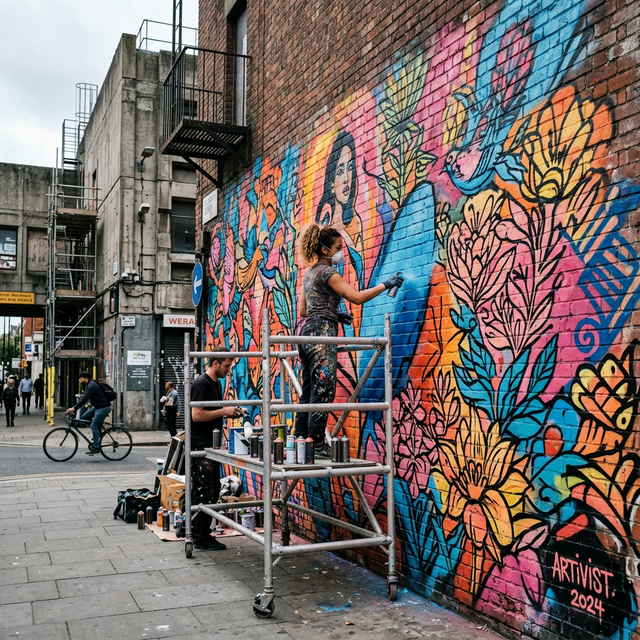
David, a man who lost his voice, finds it again through a vibrant mural on a factory wall.

Eliza rebuilds her village's craftsmanship after a flood by weaving the story of survival.

A former athlete finds a new purpose leading at-risk youth through the mountains.

In a war-torn city, an old man creates a hidden forest of color in his basement courtyard.

Alicia hides a flaw in a skyscraper's code to reclaim credit from her exploitative boss.

Elena rebuilds her fashion house using scraps and gold thread after a surgical smear campaign.

Olivia uncovers ancient letters that end decades of town feuds with the power of the truth.
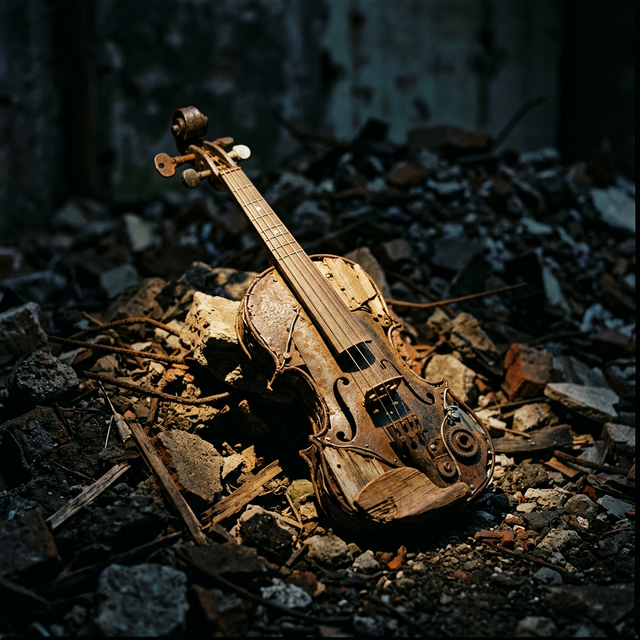
A cellist with burnt hands invents a new instrument from the wreckage of his home.
A master dyer in Rajasthan refuses to switch to synthetic colors, finding a way to "feel" the exact moment the fabric turns blue.
In the narrow lanes of Jaipur, a string-puppeteer finds his ancient wooden dolls "talking" back to him.
A mysterious man on the Himgiri Express shares a box of sweets that causes everyone to dream of their oldest friend.
A chef loses his sense of taste but regains it only when he replicates his mother’s "forgiveness pickle".
A retired postman sets up a "spiritual hotspot" in his courtyard, charging only in blessings and home-cooked snacks.
A floods-prone village builds a fleet of rescue boats out of discarded water bottles, led by a boy who failed physics.
A grandmother insists on her wedding anniversary ceremony being held in a VR replica of her ancestral village.
Two rival businessmen find themselves stuck in a flooded porch, rekindling their friendship over paper boats.
A key found in an old trunk doesn't open a door, but a hidden compartment with a 100-year-old apology.
A man who fills potholes for free explains that he is "smoothing the wrinkles of the earth."
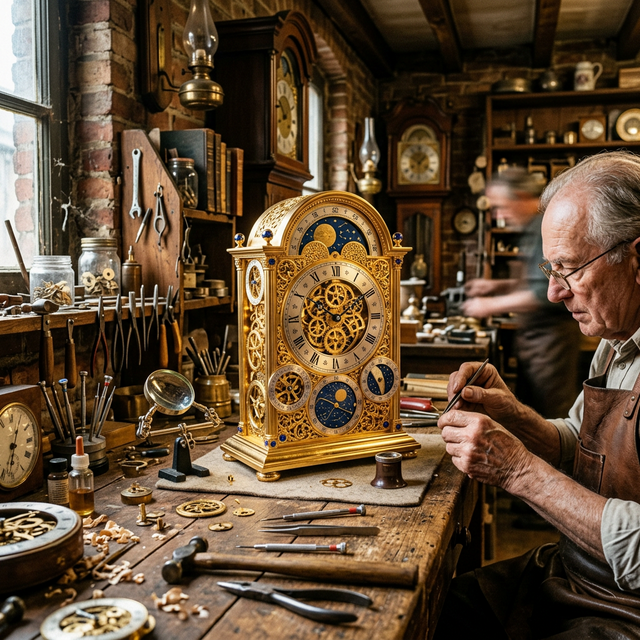
A private investigator follows a man who has no shadow, only to realize he is the shadow of a dead man.
A woman in Kutch weaves a shawl that acts as a mirror to the wearer's soul.
In a remote Kerala village, the last maker of traditional bells discovers a lost frequency.
A tea-seller notices a woman who has sat on the same bench for twenty years, waiting.
Two strangers exchange secrets on an overnight journey, only to realize their destinies are linked.
A family restaurant in Hyderabad is famous for a biryani that makes eaters tell only the truth.
A street vendor in Kolkata becomes a sensation by selling snacks that trigger happy childhood memories.
A hilarious clash when the town’s first Electric Vehicle is blocked by a stubborn temple cow.
A tech-savvy village head uses Instagram Live to solve the town's electricity problems.
A street cobbler invents a solar-powered fan for his umbrella using broken calculator parts.
A rural doctor uses a bicycle wheel to create a makeshift centrifuge, saving a life during a power-cut.
A local matchmaker’s custom AI suggests a match that she never expected.
A pundit discovers that his highest digital donor is actually a cat from San Francisco.
A perfume-maker attempts to capture the Petrichor of the year he first met his wife.
Two neighbors communicate via lanterns floated between balconies during a city-wide blackout.
A pen that has been dry for 50 years suddenly writes one final sentence during a full moon.
A generations-old saree reveals a hidden map woven into its border in invisible thread.
A street vendor teaches a stressed executive that we only fly when we let go of what weighs us down.
A cobbler refuses to fix an expensive pair of shoes because the owner is walking a dark path.
A poet discovers that every verse written in red ink makes a miracle—and a tragedy—happen.
A small mirror in a street stall reflects the city not as it is, but as it will be in 24 hours.
An aging Zardozi artist in Lucknow spends months on a veil for a bride who is his lost granddaughter.
A young TTE discovers a hidden compartment in an old steam engine containing letters from 1947.
An artist attempts to sketch every person who looks out of a train window, finding their own reflection.
A woman sends her grandmother's recipe to a stranger across the border, ending a generations-long feud.
A girl proves her innocence in a village dispute by cooking a dish so pure it glows under the moon.
The town’s most arrogant poet finds his statue replaced by a scarecrow, and no one notices.
An underground night-cricket tournament reveals that the town's grumpiest man was once a legend.
Farmers use clay cooling and computer fans to save their tomato crop from a heatwave.
A man creates a "wooden ATM" that dispenses seeds instead of money, funded by loose change.
An illiterate elder learns to communicate solely through Emojis, becoming a village diplomat.
A snack-shop owner uses a modified toy drone to deliver hot samosas to people stuck in traffic.
A girl who supposedly brings rain visits a drought-hit village, discovering her true presence heals.
A magical umbrella that only opens when the person underneath is genuinely happy.
An old radio that plays the ambient sounds of the room from fifty years ago instead of news.
A child finds a chest that smells like different seasons whenever it's opened.
A group of commuters learns that stillness is the highest speed during a city-wide delay.
A man who hasn't spoken in 40 years communicates solely through the perfect cup of tea.
A taxi driver picks up a passenger who pays in coins from a kingdom abolished centuries ago.
In an old Haveli, there is a third door that only appears to those who are telling a lie.
Kahani is dedicated to amplifying the voices of those who have navigated the darkest corners of human experience. We believe that sharing these stories of survival and rebirth sparks empathy, heals wounds, and reminds us of our shared humanity.
The scent of charred wood still lingered on the breeze when Elara returned to the lot. A month ago, this had been 'The Hearth'—a community center she had poured her heart, savings, and soul into for three years. It was a haven for kids who had nowhere else to go after school, and for adults who needed a warm meal and a moment of dignity.
Then came the night of the fire.
It hadn't been an accident. The investigation had been swift, revealing a deliberate act fueled by resentment and misplaced anger from a faction that didn't want the center in their neighborhood. The deceit had been the hardest part to swallow; one of the arsonists was the older brother of a child Elara had tutored every Tuesday.
For weeks, Elara couldn't get out of bed. The betrayal tasted like ash in her mouth. She had trusted blindly, given freely, and in return, her life's work was reduced to a blackened skeleton against the city skyline.
"Why rebuild?" her sister had asked softly one evening, placing a cup of tea on the nightstand. "They don't appreciate it. They don't want it."
Elara had looked at her, eyes red and hollow. "Because if I don't, they win. The hate wins."
But saying the words and feeling them were two different things. The anger inside her was a cold, heavy stone. It was easy to let it pull her under, to decide that humanity was inherently flawed and not worth the effort.
On a crisp Tuesday morning, exactly the time she would normally be setting up the tutoring tables, Elara forced herself to visit the site. The yellow police tape had been taken down, leaving the ruin exposed.
She brought a shovel.
She didn't have the funds to rebuild yet. The insurance money was tied up in red tape, and the GoFundMe had stalled. But she couldn't just look at the black earth anymore.
She started digging near what used to be the front entrance. The soil was tough, packed with soot and sorrow. Her hands, usually soft, quickly blistered, but she kept pushing the blade into the earth. It was a physical release, a way to channel the raging storm inside her into something tangible.
"Miss Elara?"
She paused, breathless, wiping sweat from her forehead. Standing on the sidewalk was Leo, the eight-year-old whose brother had lit the match. He was looking at his sneakers, holding a small, crumpled paper bag.
Elara felt the cold stone of anger rise in her chest, but she forced it down. It wasn't Leo's fault. "Hi, Leo. Should you be in school?"
"Teacher workday," he mumbled. He took a hesitant step forward, extending the bag. "I... I'm sorry about the center. I brought these."
Elara dropped the shovel and took the bag. Inside were dozens of sunflower seeds. They were cheap, the kind you buy at the corner store to chew on, but unroasted.
"My grandma says sunflowers pull the bad stuff out of the dirt," Leo whispered, finally looking up. His eyes were wide and filled with an apology too heavy for an eight-year-old to carry.
The cold stone in Elara's chest cracked. A warm tear slid through the soot on her cheek. She knelt down to his level.
"Do you want to help me plant them?" she asked, her voice cracking.
They spent the entire morning planting the seeds along the perimeter of the ashes. By noon, a few of the neighbors had noticed. Mrs. Higgins from next door brought out a watering can. Mr. Davies, the grumpy mechanic from across the street, surprisingly came over with a box of saplings—small oak trees.
"Can't have just flowers," he grunted, avoiding eye contact. "Need something with strong roots."
By sunset, there were fifteen people in the dirt, their hands stained with the ash of the old center, pushing new life into the ground. They didn't talk about the fire, the hate, or the arsonists. They talked about the rain coming on Thursday, the depth of the holes, and the promise of the coming spring.
Standing back and looking at the patched earth, Elara realized that The Hearth had never really burned down. The building was gone, yes, but the community—the actual fire that kept the cold out—was still there, waiting for a spark.
The people who had tried to destroy them had only managed to clear the ground for a stronger foundation. And as Elara looked at Leo, carefully patting the dirt over a tiny acorn, she knew the hate hadn't won.
They were planting their resilience right through the ashes, straight toward the sun.
My grandmother’s funeral was supposed to be a quiet affair. She had lived a simple life in our ancestral 120-year-old courtyard house in South Delhi—a property easily worth ₹30 Crores today. She always promised the house would be split evenly between my mother and my uncle, Vikram.
But when the lawyer read the will three days later, my mother’s name was suspiciously absent. It had been “updated” just a month before my grandmother passed away, right around the time Uncle Vikram had moved in to “take care of her.”
Vikram stood across the mahogany table in the lawyer’s office, struggling to hide a smug smile behind a poorly feigned look of sorrow.
“It seems Maa felt I was the one truly looking out for the legacy of this house,” he sighed, adjusting his expensive watch. “Of course, Meera,” he turned to my mother patronizingly, “you can still come visit on Diwali.”
My mother, a retired school teacher who had spent the last five years paying for my grandmother’s daily medical care out of her own pocket while Vikram “found himself” in Europe, wept silently.
I didn’t weep. I stared at his pristine leather shoes.
My uncle thought we were weak. He thought because my mother was gentle and I was “just” a 28-year-old architect working quietly in an urban planning firm, we would simply walk away from the home we had built our lives in.
What he didn’t know was that while he spent his time securing the deed to the property, I possessed a single, incredibly potent piece of architectural knowledge he had entirely overlooked.
Two days later, my mother and I packed up our few belongings from the guest bedroom. Vikram watched us leave from the grand veranda, swirling a glass of scotch, already talking loudly on his phone with a luxury real estate developer. His plan was obvious: tear down our family legacy and build a hyper-modern 5-story apartment complex.
“Let it go, Maya,” my mother whispered as we got into a taxi to my small apartment. “Karma will find him.”
“Karma needs a push sometimes,” I replied, staring out the window.
A month later, Vikram had sealed a deal with a high-end developer for ₹40 Crores. He bought a massive penthouse in Gurgaon on credit, anticipating a massive payout the moment the bulldozers broke ground on our old home.
On the morning of the demolition, the developer’s engineers arrived to begin the teardown.
But instead of bulldozers, five government vehicles with official seals pulled into the courtyard. Officials from the Archaeological Survey of India (ASI) stepped out, carrying clipboards and official injunctions.
Vikram ran out of the house in his silk bathrobe, furious. “What is the meaning of this? This is private property! The demolition permits are signed!”
The lead official calmly handed him a thick stack of papers.
“Mr. Vikram, five weeks ago, an urban historian filed a petition regarding the subterranean structures on this plot. After emergency review, the ASI has officially classified the foundations of this courtyard as a Grade-A Heritage Site, dating back to the late Mughal period.”
Vikram went pale. “So what? Tear down the top! I sold it to a builder!”
“You cannot,” the official said flatly. “This classification prevents any structural alteration, demolition, or heavy commercial development on the premises indefinitely. Furthermore, as the sole inheritor and legal owner, you are now legally bound to maintain and restore the structure using period-accurate materials at your own expense, under strict government oversight.”
Vikram’s jaw dropped. The real estate developers, standing nearby, began aggressively dialing their legal teams. The ₹40-Crore deal was dead instantly. The land was now completely worthless to any builder.
What Vikram inherited wasn't a goldmine. It was an incredibly expensive, un-sellable legal liability.
Sitting in my office across town, reading the email confirmation from my friend at the ASI—the friend I had subtly directed toward my grandfather’s old architectural blueprints the very day the will was read—I finally smiled.
Sometimes, getting exactly what you steal is the greatest punishment of all.
It was nearly eight in the evening, and I was still trapped in my office on Nariman Point, Mumbai. The city glowed cold and distant behind the glass walls. I was exhausted. I had just closed the biggest deal of the year—once again sustaining the extravagant lifestyle of my so-called family.
Rubbing my temples, I decided to text Rohan, my husband.
“Take care of yourself. I’ll be late.”
Seen. No reply.
To clear my head, I opened Instagram—never imagining that in a single second, everything I believed in would collapse.
The first photo on my feed was posted by my mother-in-law, Lata Mehra.
It was a wedding photo.
And the man standing there, dressed in an ivory sherwani, smiling in a way I had never seen with me, was Rohan. My husband. Beside him, wearing a fitted white lehenga, one hand resting possessively on her stomach, stood Kavya Sharma—a junior employee from my own company.
The caption shattered me completely:
“My son is finally truly happy with Kavya. At last, he chose the right woman.”
My body went cold. With trembling fingers, I zoomed in. Everyone was there—Rohan’s sisters, uncles, cousins, even business associates. All smiling. All celebrating. All knowing.
While I was paying the mortgage on our ₹45-crore sea-facing villa in Juhu, his imported sports cars, and his so-called “business trips,” they were secretly celebrating his bigamy.
I called Lata immediately, foolishly hoping it was some cruel joke. She answered on the third ring.
“Sofia, you already know,” she said calmly. “Accept reality. You couldn’t give my son a child. Kavya is pregnant. She is a real woman—not like you, always obsessed with work and money. Don’t interfere anymore.”
I hung up without a word. Something broke inside me—but it wasn’t my heart. It was my innocence.
They thought I was a submissive wife. A convenient fool. A woman who would keep financing them out of fear of being alone. What they conveniently forgot was this: legally, the villa, the cars, and every major investment were entirely in my name. I had built the company, and I had built the life they so happily enjoyed.
On paper, Rohan was nothing more than a man living off my generosity.
That night, I didn’t go home. I checked into a five-star hotel in Bandra and called my lawyer with two clear instructions:
“Change the locks on the Juhu villa immediately. Put the house on the market first thing tomorrow. I want his name strictly off the guest list at the gate.”
Then another order: Freeze all joint accounts. Cancel every supplementary credit card issued under Rohan’s name.
Three days later, Rohan returned from his “honeymoon” with Kavya.
They got out of a taxi at the gates of the villa—sweaty, exhausted, furious. Every card had been declined during their journey, cutting their lavish trip embarrassingly short, but they were still convinced I’d be waiting inside: the obedient wife, ready to cry, argue, and eventually forgive.
Rohan tried to open the pedestrian gate. The key didn’t turn.
A private security guard they had never seen before stepped out from the guardhouse, dressed in a sharp black uniform.
“I’m sorry, sir,” he said, his voice flat and authoritative. “This property is under new security protocols by its sole owner, Mrs. Sofia Mehra. You are no longer permitted on the premises.”
Rohan stared in disbelief, his face draining of color as Kavya nervously clutched his arm. He rattled the iron gate, but it stood unyielding, just like the boundary I had finally drawn.
He collapsed onto his ridiculously expensive suitcases on the pavement.
And that… that was only the beginning of his wedding gift.
Nine years. That was the length of the sentence I served before deciding I was worth more. To Aniket, my husband, I was an accessory—a polished trophy he brought out to dinner parties, expected to laugh at his crude jokes while bearing the brunt of his biting sarcasm when the doors closed.
He was careful never to leave physical marks. His weapons were psychological. A quiet insult about my weight, a sigh at my cooking, isolating me from my parents until I finally believed his recurring mantra: *“No one else would deal with someone like you.”*
It was on a vacation in Goa—booked to "fix" our marriage—that the final thread snapped. He had left me sitting alone at a beachside restaurant for three hours because I accidentally asked him to repeat himself in front of the waiter.
I walked to the shoreline, feeling the cold, salty water against my ankles as the sun dipped toward the horizon. I looked down. With every wave, my footprints in the wet sand were washed cleanly away. The ocean didn't care about my mistakes, my apologies, or my existence. It just kept moving.
For the first time in nearly a decade, my mind mirrored that clarity.
I didn't pack anything except my passport, my phone, and my purse. By the time Aniket returned to the resort room looking to start a fight, I was already in a taxi headed to the airport. I didn't leave a note. He thrived on arguments, and silence was the one weapon he couldn't deflect.
The aftermath was brutal. His family smeared my name, claiming I had run off with another man. He tried to freeze our shared funds, to cut off my oxygen so I'd come crawling back. But what he didn't realize was that when you've survived walking on eggshells for nine years, walking on broken glass takes almost no effort at all.
Today, six years later, I run a counseling non-profit for women escaping covert narcissism. The hate and deceit they hurled at me only fueled my ascent. And whenever I doubt my path, I take a walk on the beach, reminding myself that the only direction I ever need to look is forward.
Thirty years of waking up at 3:00 AM. Flour in my lungs, dough under my nails, and the familiar scent of yeast clinging to every piece of clothing I owned. I built ‘The Golden Crust’ from a single brick oven into an artisanal bakery supplying five hotels across the city.
My partner, Rahul, handled the books. I handled the bread. It was a perfect system until the Thursday morning my suppliers stopped delivering. When I logged into the business account to check the auto-drafts, the balance stared back at me in cold, digital indifference: ₹0.00.
By noon, Rahul was untraceable. He had meticulously redirected funds for eighteen months, liquidated our joint business assets, and disappeared, leaving me with mountains of debt and a sudden eviction notice for my commercial lease.
I sat on an overturned flour bucket in the empty kitchen, staring at the cold ovens. At 58, the profound betrayal from a man I thought of as a brother had entirely hollowed me out. The anger and humiliation were suffocating. The easiest thing would have been to declare bankruptcy and fade into retirement as a broken man.
But when you work with dough, you learn a fundamental truth: it must be knocked down before it can rise.
I had lost the bakery, but the knowledge lived in my hands. With my personal savings completely drained by legal fees, I used my last ₹500 to buy bulk flour and a small packet of active dry yeast. I began baking out of my tiny apartment kitchen.
I started with three sourdough loaves. They were flawless—crusty outside, impossibly airy inside. I took them to the Saturday farmer’s market on a folding table.
By word of mouth, my former customers found me. They had tasted the soulless, factory-produced bread the hotels had switched to and had missed the artisan touch. Within a month, I had a line wrapped around the market.
Within a year, crowd-funded entirely by loyal local patrons who refused to let me fail, I opened a new storefront: 'The Resilient Loaf'. My revenge against Rahul wasn’t a lawsuit or screaming into the void. My revenge was success. He took the money, but he couldn't steal the magic.
The corporate world is notoriously cutthroat, but what my team orchestrated was a masterpiece of orchestrated cruelty. Over a span of six months, they methodically undermined my reputation at the tech firm I had helped build from the ground up.
Emails were subtly altered. Important project files vanished completely before major presentations. Rumors regarding my competency—and even my sanity—were aggressively circulated in the company Slack channels.
By the time I realized the depth of the smear campaign, I was called into HR and offered a severance package wrapped as an "opportunity to pursue new challenges." The people smiling sympathetically at me across the table were the very architects of the sabotage, intent on claiming credit for the massive AI logic framework I had designed.
My instinct was warfare. I drafted blistering legal notices. I compiled 400 pages of email timestamps. I spent nights crying tears of furious, helpless rage at the injustice, preparing to drag everyone through years of brutal litigation to clear my name.
Then, my grandfather gave me a paper lantern during Diwali.
"If you hold onto the fire too tight, it will only burn your hands," he noted gently, placing the delicate bamboo frame in my grip. "It's meant to rise, but you have to let go of it first."
That night, watching a tiny point of light drift peacefully into the sea of stars, something shifted. I realized that destroying them wouldn't heal me. My energy, my brilliance, was being sucked into a black hole of resentment.
I never filed the lawsuit. Instead, I took that energy and launched my own consulting agency. The AI framework they stole from me was a prototype; I already had version 2.0 in my head, and within eight months, I had poached their three biggest enterprise clients through sheer, undeniable superiority in product.
My former colleagues are still fighting over scraps in a toxic environment they created. And me? I am thousands of miles above them, shining brightly, floating freely.
The dust in the archives of Thorne & Co. was ancient, much like the secrets it tried to hide. Sarah, a senior accountant who had given fifteen years to the firm, was doing a routine audit when she found the discrepancy. It wasn't a large amount at first—just a few thousand dollars here and there, redirected from the employee pension fund.
But as she dug deeper, the "few thousand" turned into millions. Her partner and mentor, Arthur Thorne, had been bled the company dry for years to fuel a gambling habit that spanned three continents.
Sarah felt a cold dread settle in her stomach. Arthur wasn't just her boss; he was the man who had given her a chance when she was a single mother fresh out of college. He had been at her daughter's graduation. He had held her hand when her father passed away.
"Sarah, is something wrong?" Arthur's voice drifted from his mahogany-paneled office. He was smiling, that same warm, grandfatherly smile that had always made her feel safe.
She closed the ledger. "Nothing, Arthur. Just some rounding errors."
She knew that if she went to the police, the company would fold. Hundreds of people would lose their jobs, and the pension fund, already precarious, would be seized. Arthur would go to jail, but the people he hurt wouldn't get their lives back.
Sarah spent the next week meticulously documenting every illegal transaction. She didn't call the authorities. Instead, she called Arthur into the conference room and laid out the evidence.
His face drained of color. "Sarah, please. I can explain."
"I don't want an explanation, Arthur. I want the money back. All of it."
She presented him with a choice: he could face a lifetime in prison, or he could 'retire' immediately and donate his entire personal fortune—the properties in the Hamptons, the art collection, the offshore accounts—into a private trust she had already drafted. The trust would replenish the pension fund and provide a permanent endowment for 'The Bridge,' the local homeless shelter Arthur had used as a tax haven for years.
Arthur shook as he signed the papers. He left that night with a single suitcase and a reputation that would slowly fade into obscurity.
Sarah took over as CEO. She didn't tell a soul about the ledger. Today, 'The Bridge' is one of the most well-funded charities in the state, and the employees of Thorne & Co. have the most secure retirement in the industry. The truth didn't just set Sarah free; it rebuilt a community.
The silence in David's life was a physical thing. It had begun three years ago, on a night he preferred not to remember. Since then, the words simply wouldn't come. He communicated with a notepad, a phone, and a haunted look in his eyes that spoke of things far worse than the loss of speech.
He lived in a small apartment overlooking the 'Grey Ward,' a neighborhood defined by its concrete and its apathy. It was a place where people looked down, not up.
Opposite his window was a massive, scarred brick wall belonging to a derelict factory. It was covered in gang tags and urban decay. One morning, David bought several crates of spray paint and a heavy-duty ladder. He didn't ask for permission. He just started.
The first few days, the neighbors were hostile. "Great, more graffiti," a woman yelled, throwing a crumpled can at him. David didn't respond. He just kept painting.
Slowly, the gray brick began to disappear under a riot of color. It wasn't just shapes; it was an ocean. A deep, sapphire sea filled with bioluminescent creatures that glowed even in the dim light of the streetlamps. He painted things he couldn't say: the grace of a whale's tail, the silent dance of jellyfish, the light filtering through the kelp forests.
By the second week, the neighborhood kids started coming by. David handed them brushes and pointed to the lower sections. They worked in a shared, comfortable silence. The woman who had thrown the can brought him a sandwich one afternoon.
"It's beautiful," she whispered. "I've never seen the ocean."
The mural became a landmark. The city, instead of filing charges, sent a crew to install lights and benches. The 'Grey Ward' was starting to be called the 'Azure District.'
On the final day, as David was signing his name at the bottom—a small, humble 'D'—a young girl asked him, "Why the ocean, Mr. David?"
David looked at the mural, then at the girl. He felt a pressure in his chest, a dam finally breaking. He took a breath, the air tasting of salt and spray paint.
"Because," he said, his voice raspy and thin but clear. "Even in the deepest part, there is always light."
He hadn't just painted the wall; he had painted a door back into the world.
Eliza's loom was older than the village itself. It had belonged to her great-grandmother, a sturdy frame of rosewood and memories. When the River Elara overflowed its banks, it took half the village and Eliza's livelihood with it. She found the loom three miles downstream, a splintered wreckage of what it used to be.
For weeks, the village was a place of mud and mourning. The younger generation talked of moving to the city, leaving behind the traditions that the water had so easily swept away.
Eliza didn't leave. She spent her days scavenging for the pieces of her loom. She found the shuttle caught in a willow tree. She found the heddles buried in the silt. She cleaned them with a devotion that bordered on the religious.
"Eliza, it's gone," the village elder said, watching her work. "The market in the city doesn't want hand-woven silk anymore. They want cheap, fast, machine-made things."
"They want stories," Eliza replied, her hands steady as she planed a new beam for the frame. "And stories take time."
She invited the other weavers, mostly older women who had lost their workstations, to her small porch. She didn't have a loom for everyone, but she had an idea. They would pool their remaining materials and their knowledge. They wouldn't weave simple cloth; they would weave the story of the flood.
They used dyed wool from the remaining sheep, silk they had saved in high cupboards, and even strips of colored fabric from the clothes the river had ruined. They worked together, one loom shared by ten hands. The sounds of their work—the rhythm of the treadles and the clatter of the shuttle—became the new heartbeat of the village.
The 'Flood Tapestry' was ten feet long and filled with the names of those they had lost, the strength of the trees that stood, and the blue of the water that had receded. A passing traveler, a curator from an international gallery, saw it hanging on Eliza's line to dry.
Three months later, the village wasn't just surviving; it was thriving. The 'Elara Weaver's Collective' had orders from three different continents. They had built a new community center with twenty looms, and the young people were staying, learning the patterns of their ancestors.
Eliza's rosewood loom was never quite the same—it always had a slight creak—but she liked it that way. It was a reminder that even when things break, the pattern can still be beautiful.
Jackson's world used to be measured in seconds. A 400-meter dash in 44 seconds was the difference between a gold medal and being forgotten. Then came the freak accident during training—a shattered knee and a severed dream. Overnight, the 'Fastest Man in the State' became a man who struggled to walk to the grocery store.
The depression that followed was a different kind of race, one he was losing. He felt like a ghost in his own life, a collection of trophies and headlines that no longer applied to him.
His physical therapist, a former marine, suggested he volunteer at 'The Ridge,' a wilderness program for at-risk youth. "You can't run, Jackson," he said. "But you can still lead."
Jackson arrived at the trailhead with a heavy brace and a heavier heart. The group of boys he was assigned to were cynical, loud, and angry at a world that had dealt them a bad hand.
"What are you gonna teach us, old man?" one of them laughed. "How to limp?"
Their first hike was to the Echo Canyon. It was a grueling six-mile trek that Jackson's doctor had warned him against. Every step was a battle with the fire in his knee. But he didn't complain. He kept his pace steady, watching the boys as they struggled with the terrain and their own frustration.
Halfway up, the boy who had laughed, Leo, sat down and refused to move. "This is stupid. My shoes are garbage. I'm through."
Jackson sat down beside him. He unstrapped his heavy carbon-fiber brace, revealing the surgical scars that crisscrossed his knee like a map of a battlefield.
"I used to be the fastest," Jackson said quietly. "Now I'm the slowest. But I'm still moving. The mountain doesn't care how fast you are, Leo. It only cares that you don't quit."
By the time they reached the canyon rim, the sun was setting, turning the sandstone into liquid gold. They stood in silence, looking out at the vastness. One by one, the boys began to yell into the canyon—screams of anger, of longing, of hope. And the canyon yelled back, over and over, until the air was thick with their voices.
Jackson didn't yell. He just stood there, his hand on Leo's shoulder. He realized he didn't need the cheering crowds or the gold medals. He had found a new rhythm, one that wasn't measured in seconds, but in the slow, steady transformation of a soul. He wasn't catching a dream anymore; he was building a foundation.
The city of Oakhaven was a skeleton of its former self. Years of conflict had stripped it of its trees, its light, and its joy. Amidst the rubble of the West District, Thomas, a man who had seen eighty winters, lived in the basement of what used to be a library.
While the world outside was a clash of sirens and shadows, Thomas had a secret. He had a garden.
It was located in a hidden courtyard that had once been the library's reading garden. High walls protected it from the wind and the prying eyes of the street. Thomas spent his nights, when the shelling was most frequent, hauling water from a nearby well and tending to his plants under the pale light of the moon.
He grew simple things: lavender to calm the nerves, mint to freshen the stale air, and roses that defied the soot with their vibrant red. He had managed to save several packets of seeds before the library was hit, and he treated them like gold.
One night, a young girl, no older than seven, followed him into the courtyard. She was a 'shadow child,' one of the many whose families had disappeared. She stared at the flowers as if they were alien life forms.
Thomas didn't shoo her away. He handed her a watering can. "Plants like to hear you talk," he whispered. "They grow better when they know they're loved."
The girl, Clara, started coming every night. She talked to the sunflowers about her dreams. She told the jasmine about the house her mother used to have. The garden became a library of unspoken stories.
Slowly, more children began to find their way to the 'Midnight Garden.' They brought seeds they found in the cracks of the sidewalk. They brought colorful bits of glass to decorate the paths. Under Thomas's gentle guidance, the garden expanded, creeping over the rubble and claiming the ruins for itself.
When the peace treaty was finally signed two years later, the diplomats entered the West District to find not a wasteland, but a forest of color. The scent of roses was stronger than the smell of smoke. The 'Midnight Garden' wasn't just a place of quiet; it was the seed from which the new city grew. Thomas passed away that spring, but his garden—and the children who tended it—remained, a living testament to the fact that even in the darkest night, beauty is a form of resistance.
Alicia was a "ghost" in the prestigious firm of Sterling & Associates. She was the one who pulled the all-nighters, the one who solved the structural impossibilities, and the one whose name never appeared on the final renderings. Her boss, Marcus Sterling, was a man of style over substance, a master of taking credit for his juniors' brilliance.
Their biggest project yet was 'The Prism,' a ninety-story glass spire intended to be the jewel of the city's skyline. Alicia's designs for the support system were revolutionary, allowing for a structure that looked almost entirely transparent.
A week before the groundbreaking, Alicia walked into Marcus's office to find him presenting her designs to a group of international investors as his own "visionary breakthrough." He didn't even look up when she entered. He just smiled and kept talking about his "legacy."
When she confronted him later, he laughed. "Alicia, you're an associate. This is the way of the world. Be thankful you have a job."
Alicia didn't argue. She didn't quit. Instead, she stayed up three more nights, 'refining' the final blueprints for the building's complex facade-cleaning system—an automated network of glass-walking robots.
The building was completed eighteen months later. It was a masterpiece. Marcus Sterling became the 'Architect of the Year.' But as the first winter storm hit, a strange phenomenon occurred. A subtle, high-pitched hum began to emanate from the glass panels, a frequency that made the residents of the luxury penthouses feel physically ill.
Marcus was frantic. He brought in consultants, but no one could find the source of the vibration. The 'visionary' architect was stumped by his own 'vision.'
Alicia, who had since started her own firm, received a call from Marcus. He was desperate, facing lawsuits and public disgrace.
"I know you did something, Alicia," he hissed.
"I did my job, Marcus. I designed a system that was perfect. But perhaps a few lines of code in the maintenance protocol were... sensitive to the wind."
She agreed to fix the "flaw" on one condition: Marcus Sterling would publicly announce his retirement and transfer his share of the firm to the junior associates who had actually built his career. He would leave with his money, but his reputation—the 'legacy' he so prized—would belong to those he had exploited.
He signed. Alicia sent a single line of code to the building's server, and 'The Prism' went silent. Today, the firm is known as 'Associates United,' and Alicia's name is the first one clients see when they walk through the door. Marcus is still in the city, but whenever he looks up at 'The Prism,' he doesn't see a legacy. He sees the glass wall he can never climb back over.
Elena's fashion house was built on the idea of perfection. Her designs were sleek, expensive, and exclusive. She was the 'Queen of Silk,' her name synonymous with the highest levels of luxury. But the higher you climb, the harder people want to see you fall.
The smear campaign was surgical. A series of fake documents "leaked" to the press alleged that her silk was sourced from sweatshops and that her "exclusive" patterns were stolen from indigenous weavers. Within forty-eight hours, her biggest retailers dropped her. Her showroom was vandalized. The fashion world, once her playground, became a firing squad.
The deceit had been orchestrated by her lead designer and former best friend, Julian. He had planned to launch his own line using the vacuum he created by destroying hers. Elena spent a month in her darkened apartment, listening to the sound of her career being dismantled piece by piece.
Her mother, an immigrant who had survived much worse, came to visit. She didn't bring sympathy; she brought a bag of scraps—torn pieces of silk, linen, and wool from the factory floor where she used to work.
"They think you are broken, Elena," she said, spilling the scraps onto the floor. "But a woman who knows how to sew is never truly broken."
Elena began to work. She didn't use the pristine rolls of expensive silk. She used the scraps. She took the torn, the frayed, and the discarded and began to join them using a technique she had seen her grandmother use—Kintsugi for fabric, joining the pieces with visible, decorative stitches of gold thread.
She didn't try to hide the seams. She made them the focus. Each coat, each dress, was a map of survival. She called the collection 'The Mended Soul.'
She debuted the collection not on a catwalk in Paris, but in a community center in the neighborhood she grew up in. The models were the very women who had worked in the factories. The critics came out of curiosity, expecting a disaster.
They found a revolution. The clothing was beautiful not because it was perfect, but because it was honest. It celebrated the scars and the strength it took to keep moving forward. The public, tired of the unattainable perfection of the fashion industry, embraced her. Elena didn't just rebuild her business; she redefined her purpose. Julian's line, built on a lie, failed within a season. Elena's house, built on the truth of her own resilience, became a sanctuary for the 'imperfectly beautiful.'
Olivia was the librarian of Blackwood for forty years. It was a town of quiet streets and long-held secrets. People came to her for books on gardening or history, never realizing that she was the curator of their own hidden pasts.
While renovating the old basement to make room for a computer lab, Olivia found a false back in a shelf of outdated law books. Behind it were hundreds of letters, bundled by year, dating back to the 1950s. They were letters that had never been delivered—sent to 'The Dead Letter Office' but redirected to the library by the postmaster of the time, Olivia's father.
As she read them, Olivia realized the enormity of her father's choice. These weren't just bills or junk mail. They were confessions. Apologies. Declarations of love that could have changed the trajectory of the town's most prominent families.
There was a letter from the town's most bitter rivals, apologizing for a land dispute that had lasted seventy years. There was a letter from a young man who had run away, explaining that he hadn't abandoned his family, but had been sent away by a powerful man who wanted his land.
Olivia felt the weight of her father's secret. He had thought he was protecting the peace of the town, but he had actually frozen its growth. The hate and deceit that defined Blackwood were built on these missing words.
She didn't burn them. She didn't dump them on the town square. She began to deliver them. One by one, under the cover of night, she left the yellowed envelopes in mailboxes or tucked them under doors. She didn't stay to see the reaction; she just let the truth do its work.
The change was subtle at first. A lawsuit was suddenly dropped. An old man finally returned to his family home. A feud that had defined the town council for decades simply evaporated over a cup of coffee. The 'Library of Hearts,' as the collection came to be known, had been a poison in the basement, but when released, it became a medicine.
Olivia never admitted to being the one who delivered them. But when she walks through the town today, she sees it in the eyes of the people—a new lightness, a shared understanding. The town of Blackwood finally stopped looking at its shadow and started looking at its heart.
Milo's life was a symphony. A world-renowned cellist, his hands were insured for millions, and his instrument was a 300-year-old masterpiece. Then came the 'Great Fire' that took his home, his music room, and his beloved cello. When he tried to save it, his hands were badly burned, the nerves damaged beyond the reach of any surgeon.
He was a musician who could no longer play. A man whose very identity had been cremated in the family room. He spent a year in a haze of painkillers and bitterness, his hands curled like burnt parchment.
One afternoon, wandering through the scorched remains of his property, Milo found a pile of scrap metal—pipes from the HVAC system, pieces of a brass bed frame, several steel cables from a collapsed winch. He'd always been fascinated by the physics of sound.
He started to build. He couldn't hold a bow with the precision required for a cello, but he could use his fingers to pluck and strike. He created a new kind of instrument, a 'Scrap-Harp' made from the ruins of his former life. It was ugly, industrial, and looked nothing like a musical instrument.
But the sound was haunting. It didn't sound like a cello; it sounded like the wind through the ruins, a deep, metallic resonance that felt like it was coming from the earth itself. Milo found he could play it with his damaged hands, finding new patterns and rhythms that he had never explored in his classical training.
He began to play in the streets of the recovering city. People would stop, drawn by the strange, ethereal music. He wasn't playing Bach or Beethoven; he was playing the sound of the 'Great Fire.' He was playing the sound of the city's own survival.
His 'Scrap Symphony' became the anthem of the rebuilding effort. He was invited to play at the opening of the new concert hall. He didn't wear a tuxedo or bring a Stradivarius. He walked onto the stage with his metal harp and his scarred hands. The audience didn't hear a man who had lost everything; they heard a man who had found a new world emerging from the ashes. Milo realized that the fire hadn't taken his music; it had just taken the cage he had kept it in.
Elias was a master of time. In his small workshop in the Old City, he repaired the most complex antique watches and clocks in the world. He was a man of precision and patience, qualities that were becoming increasingly rare.
A wealthy collector, Victor Vane, brought in a legendary celestial clock—the 'Astraea'—that had been silent for a century. Vane was a man who knew the price of everything and the value of nothing. He had cheated Elias's father out of his workshop years ago, a debt Elias had never forgotten.
Vane offered Elias a small fortune to repair the Astraea. "Do it in a month, and the money is yours," Vane said. "Fail, and you'll never work in this city again."
Elias agreed. He worked day and night, his magnifying glass a permanent fixture on his eye. He found the problem: a tiny, hidden gear made of a rare alloy that had corroded. But he also found something else—a hidden compartment within the clock's base, containing a document that proved Vane's father had illegally seized the property years ago.
Elias didn't take the document. He didn't go to the police. He repaired the clock, but with a subtle modification. He created a new gear that was linked to the clock's celestial calendar. The clock would run perfectly, but the hidden compartment would only open on a specific date: the anniversary of his father's eviction.
He returned the Astraea to Vane. The collector was delighted, showing it off to his wealthy friends. He paid Elias exactly what was promised, not a cent more, and dismissed him like a servant.
On the anniversary, Vane was hosting a massive party. At exactly midnight, as the clock struck twelve, a hidden door in the base slid open. Instead of the gold coins Vane expected—based on a family legend—the document proof of the theft fell out onto the floor in front of the city's elite, including the district attorney.
The scandal was immediate. Vane lost his standing, his reputation, and eventually, the workshop he had stolen. Elias didn't even have to sue. The karma he had built into the clock did the work for him. Elias moved his workshop back to its original location, the Astraea sitting prominently on his bench. It was a reminder that while man might try to control time, time always has the final word on justice.
In the quiet, sun-baked lanes of a village near Jaipur, old Rahim sat at his pit loom. He was the last of the master *Zari* weavers, his fingers possessing a memory that outlived his failing eyesight. For fifty years, he had woven gold thread into silk so fine it could pass through a signet ring.
But the world had moved on. Power looms now churned out cheap polyester imitations that flooded the bazaars. Rahim's own son had left for Bangalore to code software, urging the old man to finally let the loom rest. "There is no future in handloom, Abba," he had said before boarding the train.
One evening, a young woman arrived at Rahim's humble courtyard. She was an architect from Mumbai, tasked with designing the interiors of a prominent new heritage museum. She didn't want the factory-made tapestries. She wanted the genuine article, a piece of living history.
"I was told," she said gently, "that you are the only one left who knows the pattern of the *Shikargah*—the royal hunting scene."
Rahim's breath caught. The *Shikargah* was a complex, nearly impossible weave that his grandfather had taught him, requiring months of intense focus. He had sworn never to weave it again after a wealthy merchant had cheated him decades ago. But looking at the young woman's earnest eyes, he saw a reverence for the craft that he thought had died out.
He accepted the commission. For six months, the rhythmic clack-clack of Rahim's loom echoed through the lane before dawn. The neighbors whispered that the old man was losing his mind, pouring his remaining strength into a massive tapestry. His hands bled, but his spirit soared. Every interwoven thread of gold and crimson carried the stories of his ancestors, the geometry of their faith, and the pulse of a dying art.
When the tapestry was finally unfurled at the museum's grand opening, a collective gasp swept through the crowd. It wasn't just fabric; it was a woven masterpiece of light and shadow, so vivid the tigers seemed to breathe beneath the silk.
Rahim wasn't there to hear the applause. But a week later, his son returned from Bangalore, standing in the courtyard and staring at the empty loom. "Teach me the *Shikargah*, Abba," the young man said softly. The golden thread, it seemed, would not be cut after all.
Ammachi's hands were covered in terracotta slip, as they had been every day since she was ten. In her small workshop in Kumartuli, Kolkata, she shaped the earth into the divine forms of Durga and her children. While other idol-makers adopted synthetic paints and plaster to save time, Ammachi insisted on gathering river mud from the Hooghly before sunrise.
"The Mother doesn't reside in plastic," she would say to her apprentices, strictly enforcing the traditional methods. "She resides in the earth we walk on."
This year, a massive organizing committee from a wealthy neighborhood challenged her. They wanted a fifty-foot idol, something grand and imposing to win the city's top prize. But they wanted it done quickly, suggesting fiberglass over clay.
Ammachi refused outright. "If you want a spectacle, go to a factory. If you want a blessing, let me use the river mud."
The committee, taken aback by the frail woman's iron will, mockingly agreed to give her a chance, certain she would fail to meet the deadline.
Ammachi worked ceaselessly through the stifling heat and the torrential monsoon rains. She mixed the clay with straw and her own silent prayers. She didn't build a fifty-foot monolith; instead, she crafted an intricately detailed tableau of the Goddess surrounded by nature, using natural dyes extracted from flowers and leaves.
When Pujo finally arrived, the committee's massive pandal housed Ammachi's creation. It wasn't the tallest idol in the city, but it was undoubtedly the most mesmerizing. When the priests chanted the invocation, a sudden, unseasonal shower fell upon the city. While the fiberglass idols in other neighborhoods gleamed artificially in the rain, Ammachi's earthen Goddess seemed to soften, her painted eyes taking on a profound, terrifyingly beautiful lifelike depth.
The committee didn't win the prize for size, but they won the deeper reverence of thousands who lined up to witness the true spirit of the festival, born from Ammachi's stubborn, mud-stained hands.
Deep in the arid expanse of Kutch, the sun reflects off the white salt flats like a blinding sheet of glass. Here, Rameela practiced the ancient art of *Abhala Bharat*—mirror-work embroidery. Her needles danced over dark cotton, embedding tiny, circular mirrors that caught the harsh desert light and fractured it into a million stars.
Rameela was known locally as the 'Mirror Weaver.' It was said she didn't just embroider patterns; she embroidered the soul of the person the garment was meant for.
A wealthy family from Mumbai commissioned Rameela to create a bridal *ghagra* (skirt) for their daughter, Tanya. Tanya was entering an arranged marriage to secure a business merger. When she arrived in Kutch for the fitting, she was cold, distant, and utterly devoid of joy. She saw the heavy, traditional skirt as a chain rather than a celebration.
Rameela noticed the tight set of the girl's jaw and the emptiness in her eyes. Taking Tanya's measurements, she whispered, "The mirrors must reflect what is inside, little bird. What should I stitch for you?"
"Nothing," Tanya replied bitterly. "Just make it heavy enough to weigh me down."
Rameela ignored the girl's bitterness. She spent three months on the *ghagra*. But instead of the traditional geometric patterns, she stitched something entirely new. She used the tiny mirrors to map out a constellation of protective symbols, weaving in bright threads of joy, resilience, and quiet strength.
On her wedding day, surrounded by the opulence of a five-star hotel, Tanya put on the heavy skirt. As she stepped in front of the full-length mirror, something astonishing happened. The hundreds of tiny mirrors on her skirt caught the ambient light, casting a radiant, almost angelic halo around her. The intricate patterns seemed to pulse with a warm, living energy.
For the first time in months, Tanya looked at her reflection not with despair, but with wonder. The intricate tapestry Rameela had woven wasn't a weight; it was armor. Tanya walked down the aisle not as a pawn, but with her head held high, radiating a strength she didn't know she possessed, literally reflecting the light back at a dark world.
The rhythm of the Indian Railways is the rhythm of the nation's heartbeat. For Birju, an eight-year-old chaiwallah, the platform at New Delhi Railway Station was his universe. He knew the distinct rumbling of the Rajdhani Express, the chaotic rush of the passenger trains, and the heavy sigh of the goods trains.
His father had been a railway guard, lost to an accident years ago, leaving Birju to navigate the platforms with an aluminum kettle in one hand and a stack of earthen *kulhads* (cups) in the other.
One foggy winter morning, the trains were delayed for hours. The platform was a sea of disgruntled, shivering passengers. Amidst the chaos sat an old man with a long white beard, clutching a sitar case to his chest like a life preserver. He was a classical maestro on his way to a final, career-defining concert in Varanasi.
Birju offered him a hot cup of chai. The old man accepted, his hands trembling with cold and anxiety. "I will miss my performance," the maestro murmured, staring blankly at the dense fog. "My life's work, delayed by the weather."
Birju watched the old man's despair. He looked around at the hundreds of frustrated passengers. Setting his kettle down, Birju ran to the station master's cabin. He knew the man well, having supplied him with chai for years. Birju pleaded for a favor.
Ten minutes later, the station's public address system crackled to life. But instead of an announcement about the delayed trains, the platform was suddenly filled with the clear, haunting notes of a sitar.
The maestro had plugged a microphone from the announcer's desk into his amplifier. He sat cross-legged on a wooden bench, playing a morning *Raga* that cut through the fog like a ray of sunlight. The restless crowd quieted, enchanted by the unexpected beauty. Birju walked among them, pouring chai, as the railway platform transformed into a concert hall. The maestro didn't make it to Varanasi on time, but he later claimed it was the most important performance of his entire life.
It was an unwritten rule among the vendors at the Dadar station: you do not bother the woman on the third bench of Platform 1B. For nearly twenty years, Mrs. Deshmukh had arrived every Tuesday at 4 PM, carrying a worn leather suitcase, sat on the same bench, and watched the trains depart until sunset.
Raju, a teenage magazine seller, was new to the platform and didn't know the rule. One sultry afternoon, he approached her, offering a stack of Bollywood glossies.
"I don't need magazines, beta," she smiled kindly, her eyes fixed on the tracks. "I'm just waiting."
"Who are you waiting for, Aunty?" Raju asked, his curiosity overriding his caution.
She patted the leather suitcase beside her. "My husband. He went to work in Dubai twenty years ago. He told me to meet him here on a Tuesday when he finally secured a good job."
Raju's heart sank. He knew the harsh reality of migrant labor; men often disappeared, either starting new lives or succumbing to the brutal conditions.
Weeks turned into months, and Raju and Mrs. Deshmukh formed an unlikely friendship. He brought her tea; she brought him home-cooked modaks. One Tuesday, she didn't show up. Nor the next. Raju went to the address she had once mentioned, discovering that she had suffered a severe stroke and was hospitalized, entirely alone.
Raju visited her, bringing his pile of magazines. On the bedside table sat the old leather suitcase. "Open it," she whispered weakly. Inside weren't clothes, but hundreds of unsent letters addressed to a P.O. Box in Dubai, each chronicling the daily details of her unwavering love.
Raju made a decision. He couldn't find the husband, but he could deliver the devotion. He started an online campaign, sharing the story of the letters. Within days, the story went viral. An Indian expatriate network in the Gulf mobilized. They didn't find the husband, who had tragically passed away years prior, but they found something else.
On her last Tuesday, the hospital room was flooded with hundreds of letters—responses from strangers around the world who had been moved by her faith, offering words of comfort, love, and community. She didn't meet her husband on Platform 1B, but she discovered she wasn't waiting alone.
The rhythmic rocking of the sleeper class compartment on the Chennai Express has a way of loosening tongues. In a four-berth cabin, an unlikely pairing found themselves sharing the long overnight journey: Dev, a tough, cynical police inspector returning from a grueling assignment, and Tariq, a young, nervous mechanic carrying a small toolkit.
The journey started in silence, punctuated only by the clatter of the tracks and the distant call of a tea vendor.
Around midnight, somewhere in the desolate stretches of Andhra Pradesh, the train abruptly halted. The power failed, plunging the compartment into sweltering darkness. Hours passed with no information. Tension in the cabin mounted as the heat became unbearable.
Dev, used to asserting control, grew increasingly agitated. "Useless bureaucracy," he muttered, reaching for his flashlight.
Tariq suddenly spoke up in the dark. "Sir, I think it's the main coupling. I heard it slip before we stopped."
Dev scoffed. "And what do you know about trains, boy?"
"I know machines," Tariq replied quietly. "I fix them because I couldn't fix my own life. I'm going to Chennai to surrender to the authorities. I caused an accident... a hit and run. I couldn't live with the guilt anymore."
The inspector froze. His professional instinct roared to life, urging him to arrest the man on the spot. But in the suffocating dark of the stalled train, a different truth emerged. Dev confessed that he, too, was running. He had falsified evidence in his recent case to protect a corrupt superior, and the guilt was eating him alive.
When the dawn finally broke and the power shuddered back on, the two men looked at each other in the harsh fluorescent light. They were no longer cop and criminal; they were two flawed men carrying heavy burdens.
When the train finally reached Chennai Central, Dev didn't put Tariq in handcuffs. He walked alongside him to the station house. "We'll both go in right," Dev said, placing a hand on the young man's shoulder. The compartment had demanded their confessions, but it had given them back their honor.
In the bustling lanes of Chandni Chowk, 'Sharma's Spices' had stood for over a century. The shop was famous for a secret spice blend—the *Garam Masala*—that locals swore could cure a broken heart as easily as it flavored a biryani. The patriarch, Dadaji, guarded the recipe ferociously.
His grandson, Aryan, was a culinary school graduate with a modern palate and a disregard for old ways. He wanted to mass-produce the blend, package it in sleek jars, and sell it online. Dadaji vehemently refused, arguing that mass production would kill the 'soul' of the spice.
When Dadaji suddenly passed away, he left the shop to Aryan, but the recipe for the legendary *Garam Masala* was nowhere to be found. The shop's regulars noticed immediately. The curries lacked depth; the biryanis were flat. The business began to plummet.
Desperate, Aryan tore the shop apart looking for a hidden journal. He found nothing but enormous jars of cinnamon, cardamom, cloves, and star anise.
"He took it to the grave," Aryan lamented to the old shop assistant, Kaka, who had worked there for forty years.
Kaka chuckled softly, his hands stained yellow with turmeric. "Dadaji didn't write it down, beta. He taught it to the air, to the mortar and pestle."
He handed Aryan a heavy, worn stone pestle. "You know the ingredients from your expensive school. But you don't know the timing. You don't know how the humidity affects the cardamom, or how the heat of your hand releases the oils of the clove."
Aryan finally stopped looking for a shortcut. For three months, under Kaka's watchful eye, he ground the spices by hand. He learned the subtle differences between roasting and burning. He learned patience. When he finally achieved the perfect blend, the scent transporting him back to his childhood, he realized the 'secret ingredient' Dadaji had guarded wasn't a rare spice at all. It was the time, the tradition, and the love poured into grinding it by hand. Aryan introduced modern marketing to the shop, but the *Garam Masala* was, and always would be, ground exactly the way Dadaji taught him.
A small, unassuming restaurant tucked behind the Charminar in Hyderabad, 'Nizam's Secret,' possessed a legendary reputation. It wasn't just the tenderness of the mutton or the perfection of the rice. It was said that anyone who ate their signature *Kachhi Biryani* found themselves completely incapable of lying for the next twenty-four hours.
The owner, a stern woman named Fatima, never confirmed or denied the rumor. She simply smiled a knowing smile as politicians, feuding couples, and secretive businessmen flocked to her tables.
A powerful land developer, Mr. Reddy, notorious for his shady deals and broken promises, decided to host a massive dinner at the restaurant to seal a controversial land acquisition. He sought to prove to the local community leaders that he was bargaining in good faith by eating the 'Truth Biryani' right in front of them.
Fatima watched impassively as Mr. Reddy devoured the fragrant rice, packed heavily with green cardamom—the supposed source of the curse.
After the meal, Reddy stood up to give his grand speech, expecting to spew his usual rehearsed rhetoric about community development. He opened his mouth to say, *'I have your best interests at heart.'*
But what came out was, "I plan to bulldoze the local market and build a luxury mall that none of you will ever be able to afford. The permits are already bribed through."
A stunned silence fell over the room. Reddy clamped a hand over his mouth, his eyes wide with horror as the community leaders erupted in fury. The deal was dead instantly. His reputation lay in ruins alongside the saffron-stained plates.
Later that night, as Fatima cleaned the tables, a young waiter whispered excitedly, "So the curse is real! The cardamom really makes them speak the truth!"
Fatima laughed deeply, tossing a handful of ordinary cardamom pods into the bin. "There is no curse, child. There is only guilt wrapped in superstition. When a man believes a single bite will force his demons out, his own conscience does all the heavy lifting."
In the chaotic web of street food stalls in Old Delhi, Babu was known as the 'Garlic King.' He sold a fiery garlic chutney paired with parathas that was famously punishing, drawing crowds of thrill-seekers looking to test their spice tolerance. But Babu was a bitter man, hardened by a life of poverty and a long-standing feud with his estranged daughter, Priya.
Priya had left home a decade ago to pursue a culinary career in Mumbai, rejecting his simple street food for high-end gastronomy. They hadn't spoken since.
One evening, a prominent Mumbai food critic visited Babu's stall incognito. He took a bite of the fierce garlic paratha and immediately started coughing. It wasn't the heat that shocked him; it was the harsh, acrid taste of hastily burnt garlic.
The next day, a scathing review was published in a major newspaper, calling Babu's food "an aggressive assault on the palate, lacking any nuance or love." The crowds vanished overnight. Babu was devastated.
A week later, a woman in a sleek chef's coat arrived at the empty stall. It was Priya. She had read the review and, despite their history, had taken the first flight to Delhi.
"You're roasting the garlic too fast, Papa," she said softly, stepping into the cramped stall. "You're angry, and it shows in the food."
Babu tried to pull away, but he was too tired to fight. Priya showed him a technique she had perfected—slow-roasting the cloves over a low, steady heat until they caramelized into a sweet, earthy paste, completely removing the sharp bite.
They worked side by side in silence. When Babu finally tasted the new batch, the sweetness of the garlic brought tears to his eyes. It tasted like reconciliation. They reopened the stall the next day, not selling a challenge of heat, but a flavor of home. The crowds returned, not for the fire, but for the warmth. Babu learned that sometimes, the most profound spice isn't the one that burns, but the one that heals.
The sleepy village of Shivpur, nestled in the Western Ghats, woke up to a modern miracle: a telecom company had erected a single Wi-Fi tower near the central banyan tree. For the first time, free internet was available, but with a catch—the signal only covered a fifty-meter radius around the tree.
The village dynamic shifted instantaneously. The banyan tree, traditionally the domain of the village elders playing cards and dispensing unasked-for advice, was suddenly invaded by teenagers glued to smartphones, streaming videos, and downloading games.
A silent war began. The elders, led by the grumpy retired postmaster, Mr. Iyengar, retaliated by organizing loud *bhajans* (devotional songs) right under the tree during peak browsing hours to disrupt the youngsters' focus. The youth counter-attacked by surreptitiously changing the Wi-Fi password (which had been carelessly taped to the tower) to complex alphanumeric strings, locking the elders out of their newly discovered joy of WhatsApp forwards.
The village was divided. Marriages were debated not on horoscopes, but on whose side of the tree they sat. The local chai vendor, however, was making a fortune from both factions.
The conflict reached a boiling point just as a massive monsoon storm hit the mountains. Lightning struck a nearby transformer, knocking out the power to the Wi-Fi tower and plunging the entire village into darkness for three days.
At first, there was panic. The teenagers wandered the village like lost souls, holding their phones toward the sky. But slowly, out of sheer boredom, they gravitated back into their homes. The elders, unable to send their daily 'Good Morning' graphics, sat on their verandas instead. Families actually spoke to each other across dinner tables. Ancient board games were dusted off. The sounds of real laughter replaced the digital pings.
When the power finally returned, and the green light on the router flickered back to life, something had changed. The rush to the banyan tree was slower. Mr. Iyengar still sent his WhatsApp forwards, but he also invited the local tech-savvy kid to play chess on a real board. The Wi-Fi had connected them to the world, but losing it had reconnected them to each other.
Kamal, the young, ambitious son of the village Sarpanch (headman), had just returned from the city with the village's very first Electric Vehicle. It was sleek, silent, and a vibrant neon green. Kamal drove it proudly down the central dirt road, ignoring the potholes, determined to bring his town into the 21st century.
But the true ruler of the village wasn't the Sarpanch; it was Nandini, a massive, ancient, and exceedingly stubborn temple cow who enjoyed absolute right of way.
On Kamal's grand introductory tour, Nandini decided to take a nap right in the middle of the narrow lane leading to the marketplace. Kamal approached in his silent EV, expecting the cow to budge. He beeped the horn—a polite, synthetic chime. Nandini didn't flinch. She chewed her cud with rhythmic indifference.
Kamal revved the motor, but the silent electric whir lacked the terrifying roar of the diesel tractors Nandini was used to ignoring. A crowd gathered. The modern marvel was entirely defeated by a sleeping bovine.
"Just push her!" Kamal yelled to the bystanders.
"Push Nandini? Are you mad?" gasped the local priest. "She is sacred. And very heavy."
Kamal sat in his climate-controlled cabin, fuming, as hours passed. The sun beat down, draining his battery as the AC ran. Finally, an old farmer ambled over, carrying a bundle of fresh, green sugarcane. He didn't look at the expensive car. He simply held the sugarcane a few feet from Nandini's nose and slowly walked toward the side of the road.
Nandini, motivated by the snack, lumbered up and followed the farmer, clearing the path. The crowd cheered. Kamal, humbled and running low on charge, slowly drove his neon modern marvel past the ancient animal. He realized that while technology could move you forward, in a village, you still needed a deep understanding of tradition to clear the road.
Ravi was twenty-four, armed with an MBA, and entirely out of place as the newly elected Sarpanch of his ancestral village. He wore brand-name sneakers and spoke in corporate jargon like 'synergy' and 'deliverables.' The village elders despised him, convinced he was a spoiled city boy who didn't understand rural life.
The village had a massive problem: a chronic water shortage caused by a broken dam project that civil authorities had been ignoring for five years. Letters, petitions, and bribes had all failed.
Ravi didn't write another letter. He took out his smartphone, walked to the dry, cracking bed of the reservoir, and hit 'Go Live' on Instagram.
He didn't make a formal speech. He just showed the reality. He interviewed farmers holding dying crops, mothers walking miles for a single bucket of murky water. He used trending hashtags and tagged prominent journalists, politicians, and environmental activists. He called it the "Thirsty Village Challenge."
The elders scoffed. "He thinks playing with his phone will bring the rain," they grumbled, sitting by the dry well.
Ravi's video didn't just get views; it erupted. The stark reality of the farmers juxtaposed with his modern, desperate plea struck a nerve. Within forty-eight hours, the video had three million views. More importantly, it caught the attention of a major national news channel.
By day three, outside broadcast vans rolled into the village. Suddenly, district officials who had ignored the town for half a decade were scrambling out of air-conditioned SUVs with immediate plans and funding to fix the dam to avoid the immense PR disaster.
A month later, water finally flowed back into the reservoir. As Ravi stood watching the water hitting the dry earth, the oldest farmer in the village approached him. He didn't understand hashtags or algorithms, but he understood results. He placed a rough, weathered hand on Ravi's shoulder. "Your little screen," the old man said respectfully, "has a very loud voice."
In a modest dhaba (roadside eatery) on the bustling highway between Delhi and Chandigarh, Balwinder Singh faced a crisis. His dhaba was famous for its rich, hand-churned lassi. But his aging shoulders could no longer handle the hours of vigorous churning required to supply the hundreds of truckers who stopped every night.
Buying a commercial, industrial-grade churner was out of the question—it cost more than his entire establishment was worth. The quality of his lassi dropped, and the customers began to complain.
Returning from a supply run, Balwinder spotted an ancient, broken-down top-loading washing machine at a scrap dealer. A wild, desperate idea took root. He bought the rusted machine for pocket change and dragged it behind his dhaba.
He spent the next two days dismantling the washing mechanism. He thoroughly stripped, sanitized, and lined the steel drum. He replaced the agitator with custom-welded wooden paddles modeled after traditional hand-churners. He wired the motor to a simple rheostat dial he pulled from a broken fan to control the speed.
The next night, his skeptical staff watched as Balwinder poured fifty liters of fresh yogurt, ice, and sugar into the gleaming steel drum of the repurposed washing machine. He hit the 'delicate wash' cycle.
The machine whirred to life. Ten minutes later, he opened the lid to reveal perfectly frothed, thick lassi, with a massive layer of cream floating on top. It tasted exactly like his legendary hand-churned recipe, produced in a fraction of the time with zero physical strain.
Word spread quickly along the highway about the "Washing Machine Dhaba." Truckers flocked not just for the incredible drink, but to witness the sheer genius of Indian *jugaad* in action. Balwinder didn't just save his business; he became a roadside legend, proving that necessity isn't just the mother of invention—it's the patron saint of the frugal.
Kishan was a street cobbler. His entire storefront consisted of an old wooden box, an assortment of awls and threads, and a massive, faded black umbrella under which he sat on the unforgiving pavement of Chennai. The summer heat was brutal, often pushing temperatures near 40 degrees Celsius. To cool himself, Kishan relied on a piece of cardboard he flapped endlessly with one hand while repairing shoes with the other.
One stifling afternoon, a wealthy businessman dropped off a pair of expensive leather shoes for repair and casually tossed a broken, cheap solar-powered calculator into the nearby trash bin. "Useless junk," the man muttered.
Kishan retrieved the calculator. The screen was smashed, but the small solar strip was intact. An idea sparked. Over the next month, Kishan haunted the local electronics scrap markets, trading shoe repairs for discarded computer cooling fans, wires, and more discarded solar panels from broken toys and calculators.
Using his cobbler's precise stitching skills, he began modifying his lifeline—the black umbrella.
He painstakingly wired nine small solar strips onto the top canopy of the umbrella. He ran the thin wires down the central metal pole and connected them to three small computer fans he had zip-tied beneath the spokes, right above where his head would be.
On the hottest day of May, Kishan set up his stall. As the blinding sun hit the canopy, the small solar panels drank the light. The fans sputtered, then roared to a quiet, steady hum, blowing a continuous, glorious breeze directly down onto him.
The other street vendors watched in awe. Customers began stopping not just to get their shoes fixed, but to stand under the magic umbrella and chat with the genius cobbler. The businessman returned for his shoes, sweating profusely in his suit, and stared in disbelief at his discarded 'trash' generating a personal oasis. Kishan smiled, handed back the repaired shoes, and enjoyed a cool breeze fueled by the very sun that used to torment him.
Dr. Anita had traded a lucrative corporate hospital job in Mumbai for a small, woefully underfunded clinic in rural Bihar. She had passion and knowledge, but the stark reality was a severe lack of equipment. The village faced a sudden outbreak of a mysterious fever, and she desperately needed to spin blood samples in a centrifuge to separate plasma for accurate diagnosis.
Her only centrifuge had short-circuited during the last power surge, and the replacement part would take weeks to arrive. Patients were deteriorating rapidly in the crowded waiting room.
Running out of options, Dr. Anita walked out to the clinic's dusty courtyard, where the local children were playing with an overturned bicycle, spinning the rear wheel furiously with the pedals to watch the spokes blur.
She grabbed the clinic's local handyman, Raju. "Bring me that cycle, strong duct tape, and a wooden plank. Quickly!"
Together, they secured the bicycle frame upside down onto a sturdy table. Dr. Anita carefully taped small, hollow plastic tubes to the spokes of the rear wheel, balancing them perfectly so the wheel wouldn't wobble at high speeds.
She placed the glass vials containing the critical blood samples into the highly secured plastic tubes. "Pedal, Raju," she ordered. "As fast as you can, and keep a steady pace."
Raju cranked the pedals by hand. The rear wheel spun into a blur, utilizing the gears to achieve dizzying RPMs. The makeshift human-powered centrifuge roared in the quiet clinic. For ten agonizing minutes, Raju sweat and strained while Dr. Anita watched the stopwatch.
When the wheel finally slowed, she extracted the tubes. The blood had separated perfectly—clear plasma resting atop the heavy red cells. The diagnosis was confirmed: a specific strain of malaria that required an immediate, targeted medication she luckily had in stock. A broken bicycle had bridged the gap between life and death, driven by sheer grit and the refusal to surrender to circumstance.
The narrow, winding alleys of Dharavi are a labyrinth of commerce, but very few outsiders ever venture deep inside. Amina, a twenty-year-old culinary genius trapped in poverty, knew her biryani was the best in Mumbai, but setting up a restaurant was a financial impossibility.
Her brother, Tariq, a self-taught coder and food delivery rider, had a different plan. "We don't need a restaurant, Didi," he said, holding up a cheap smartphone. "We just need a kitchen and an app."
They pooled their meager savings and registered a 'cloud kitchen' on a major food delivery app, naming it *Nawab's Secret*. From a tiny, immaculate ten-by-ten room deep in the slums, Amina cooked massive vats of slow-dum biryani, while Tariq managed the digital logistics, taking orders and coordinating with other local delivery boys he had recruited.
The first few days were slow. But then, Tariq convinced a few of his delivery peers to rate the food five stars and leave glowing reviews. The algorithm took over. The smell of Amina's biryani didn't reach the high-rises of Worli, but her digital footprint did.
Within a month, *Nawab's Secret* was one of the highest-rated kitchens in South Mumbai. The orders poured in relentlessly. The crisis point arrived when a famous food vlogger, intrigued by the mysterious top-rated restaurant with no physical address, decided to track it down for a documentary.
He navigated the maze of Dharavi, expecting to find a massive, sophisticated warehouse kitchen. Instead, he found Amina in her tiny room, stirring a giant pot over a kerosene stove, laughing with her neighbors who helped chop onions. The vlogger was stunned. He didn't expose them; he broadcast their incredible story of ambition, showcasing how digital democratization allowed a girl from the slums to feed the city's billionaires, proving that talent paired with technology could bypass any physical wall.
Kalyani was fifty-five, fiercely traditional, and entirely fed up with the glacial pace of the local village council, the Panchayat. The roads were pitted, the school roof leaked, and the male elders spent their meetings arguing over politics rather than fixing local issues.
Her grandson gifted her a smartphone and taught her how to use WhatsApp. At first, she just forwarded religious messages. But then, an idea sparked.
Kalyani created a WhatsApp group titled 'Mata Panchayat' (Mothers' Council). She quietly added the wives, mothers, and daughters of all the prominent men in the village. It became a space where the women, usually silent in public meetings, voiced their concerns.
Kalyani started posting photos: a massive pothole that broke a cart axle, the moldy walls of the classroom, the dry handpump. But she didn't just complain; she organized.
When the official Panchayat delayed fixing the handpump for the third month, Kalyani posted a simple message to the group. The next day, not a single woman in the village cooked dinner. When the men demanded to know why, their wives simply replied, "The water is bad. We can't cook."
The men, hungry and confused, tried to argue, but the sheer, organized uniformity of the strike broke them quickly. The handpump was fixed miraculously within twenty-four hours. Kalyani's digital network had bypassed the entire patriarchal structure of the village. The men still held the official meetings under the tree, but everyone knew the real power and decisions were now circulating through encrypted chats on Kalyani's smartphone.
Suresh navigated the chaotic traffic of Noida in his battery-operated e-rickshaw. He was a quiet man, observant by nature, and his slow-moving vehicle allowed him to see and hear things the fast cars missed. He knew the rhythms of the city, the secrets of the college students he ferried, and the hidden affairs of businessmen who used him for short, discreet trips.
When a young college girl he regularly drove went missing, the police were dismissive, writing it off as a runaway. Suresh knew better. She had been nervous, constantly checking her phone during their last ride.
Suresh wasn't a hero, but he had a dashcam. He reviewed the footage from the day she disappeared. He noticed a black SUV following his rickshaw, a vehicle he had seen parked near the girl's college multiple times.
He didn't go to the police. He knew they wouldn't take a rickshaw driver seriously. Instead, he connected his dashcam footage to a local neighborhood WhatsApp group, tagging it with a question: "Has anyone seen this car?"
The power of the informal network was staggering. Waiters, street vendors, and security guards—the invisible eyes of the city—responded. "It's parked outside the old mill." "I saw it driving near the highway toll."
Suresh compiled the sightings, mapping the SUV's route. He handed the printed map and the video directly to a sympathetic young journalist who rode his rickshaw every morning. The journalist's expose forced the police into action. The girl was found held in an abandoned factory, victims of a local trafficking ring that the black SUV belonged to.
Suresh refused the reward money. He just installed a better dashcam and went back to his quiet routes, the silent, electrified guardian of the chaotic streets.
The first rains of the Mumbai monsoon are a violent, romantic assault on the senses. The smell of petrichor fighting the city pollution, the thunder drowning the traffic, the sudden, desperate rush for cover. For Meera and Karan, it was the backdrop of their entire love story.
They had met under a shared, dripping awning ten years ago, two soaked college students hiding from a squall. Every monsoon after, they celebrated by folding a single paper boat, writing a secret vow inside, and watching it navigate the flooded gutters of Marine Drive.
But this year was different. They were in their thirties, exhausted by corporate burnout, their marriage strained to the breaking point by silence and unspoken resentments. The divorce papers sat unsigned on their dining table.
When the sky finally broke in July, unleashing a torrential downpour, they were sitting in their high-rise apartment, avoiding eye contact. The city vanished behind a wall of grey water.
Karan stood up slowly. He didn't speak. He walked to the desk, took a piece of heavy resume paper, and began folding. The familiar creases formed a boat. He held it out to Meera.
"There is one vow left," he said softly over the sound of the rain lashing the windows.
Meera hesitated, the weight of their failed years heavy on her chest. Without a word, she took a pen, wrote something inside, and handed it back. Karan wrote his own message. They put on their raincoats and went down to the flooded street. As they set the paper boat into the rushing current, the water immediately began to tear at it.
The boat didn't sink immediately. It spun, took on water, bumped against a tire, but kept moving forward. Meera leaned her head against Karan's wet shoulder. They didn't need to read what the other had written to know they were both vowing to bail the water out and try to keep floating, no matter how bad the storm.
In the lush, emerald hinterlands of Goa, the monsoon arrives not just with rain, but with a deafening symphony. Millions of Indian bullfrogs emerge from the earth, croaking a chaotic, desperate orchestra marking the breeding season.
To the tourists, it was a nuisance. To the locals, it was a traditional, albeit illegal, delicacy called 'jumping chicken.' But to eight-year-old Leo, the frogs were magic.
One stormy night, Leo discovered a massive, golden-hued bullfrog trapped in an old, deep clay pot near his house. This wasn't an ordinary frog; it was enormous, staring at him with ancient, unblinking eyes.
Just then, his older cousin, home from college and eager for a thrill, spotted the prize. "That's a feast right there," the cousin declared, grabbing a flashlight and a sack.
Leo panicked. He knew the fate of the frogs. He threw himself over the clay pot, screaming in the pouring rain. "He's a prince! He's magic!"
His cousin laughed, trying to pry the boy away. But Leo fought with a fierce, unexpected strength, biting and kicking, the rain plastering his hair to his face.
The commotion brought Leo's grandfather out onto the porch. The old man, a retired biology teacher, hushed the cousin and walked out into the rain. He looked at the giant frog, then at his fiercely protective grandson.
"He's not a prince, Leo," the grandfather said softly. "But he is a king. A king of the monsoon."
He lifted the pot, and together, they carried it deep into the flooded paddy fields away from the house. They tipped the pot, and the massive golden frog leaped into the dark, vanishing with a loud, triumphant splash. Leo's cousin was annoyed, but as they stood in the rain, the chorus of a thousand frogs seemed to swell around them, not as noise, but as a wild, living song of the earth that they had just helped sustain.
The small Himalayan town of Kedarnath knew the wrath of the monsoon better than anyone. Years after the catastrophic floods of 2013, the scars still lingered, both on the mountainside and in the minds of the people. Old man Sharma ran a small tea stall on the pilgrim trail, a man entirely defined by his grief. He had lost his wife in the tragedy and spent his days staring bitterly at the river that took her.
He hoarded everything—old photographs, her cracked tea cups, the rusty keys to their ruined home. His stall was a claustrophobic shrine to the past.
Another fierce monsoon arrived. A sudden cloudburst sent a massive, terrifying surge of mud and water down the mountain. The warning bells rang, and the town evacuated to higher ground.
Sharma stood frozen in his stall, frantically trying to pack his hoarded memories into a heavy trunk. "Leave it!" the rescue volunteers screamed, pulling at his arms. "The river is coming!"
But the old man refused to let go of the heavy trunk, dragging it toward the door.
The wall of brown water hit the stall with a deafening roar. In a split second of terrifying clarity, Sharma realized the trunk was too heavy. It anchored him to the rushing water. He had a choice: hold onto his tangible grief and drown, or let it go and live.
With a guttural cry, his fingers slipped from the brass handles. He lunged for the hand of a volunteer just as the trunk, full of his precious, painful memories, was swept away, tumbling into the violent gorge.
Hours later, sitting bruised and shivering in a rescue camp, Sharma watched the raging river below. His hands were empty. For years, he thought he was preserving her memory by holding onto her things, but he had only been preserving his pain. As the torrential rain finally began to slow, washing the dust and debris from the air, Sharma took a deep, shuddering breath. He had lost the past again, but for the first time in years, he felt terrifyingly, incredibly light. He was ready to live in the present.
Professor Rao, an aging archaeologist, was tired of excavating the same well-known Mughal forts. He was obsessed with the hidden water architecture of Gujarat, specifically a rumored, lost *baoli* (stepwell) described in an obscure 14th-century Jain manuscript.
His modern colleagues dismissed the text as poetic allegory. But Rao believed it was a literal map. He spent his final grant money on an expedition to a barren, dusty region entirely devoid of historical markers.
After weeks of digging based on satellite anomalies, his team hit solid rock. Disheartened, they were ready to pack up. But Rao, driven by a desperate intuition, ordered them to clear the scrub brush surrounding the rock formation. Beneath a thick layer of thorny bushes and centuries of compacted dirt, they found a single, intricately carved stone step.
What followed was the excavation of a lifetime. It wasn't just a well; it was an inverted, subterranean palace descending seven stories into the earth. The walls were adorned with thousands of pristine sculptures of deities, dancers, and mythical beasts, untouched by modern pollution or vandalism.
As Rao descended into the cool, shadowed depths, leaving the harsh desert sun behind, he reached the lowest gallery, hovering above the murky, ancient water. The silence was profound, broken only by the echo of a single drop.
He touched a carving of Saraswati, the goddess of knowledge, marveling at the delicate chisel work. They had uncovered not gold or jewels, but an engineering marvel that spoke of a civilization that revered water as the ultimate divine gift. Rao had spent his life looking for history, but standing at the bottom of the stepwell, he felt history was looking back at him, patiently waiting for its genius to be remembered.
Kabir, a modern history student, was profoundly disconnected from the concept of the Indian independence struggle. To him, it was just dates, names, and grainy black-and-white photos in textbooks. His perspective was clinical, devoid of emotion.
For his thesis, he traveled to the Andaman Islands to study the horrific British colonial prison, the Cellular Jail (Kala Pani). He expected to document architectural layouts and bureaucratic records.
While exploring a recently unsealed storage room, Kabir found a corroded metal box. Inside were dozens of letters, written on scraps of coarse paper using charcoal or smuggled pencil stubs. They were written by political prisoners destined never to leave the island.
They weren't grand political manifestos. They were devastatingly intimate. A young revolutionary writing to his mother, apologizing for not being there to light her funeral pyre. A poet struggling to remember the smell of monsoon earth in Bengal while staring at the infinite, cruel sea. A husband writing to a wife he knew would soon remarry because she assumed him dead.
Kabir sat on the cold floor of the solitary confinement cell, reading the fragile letters. The clinical distance vanished. He heard the clanking of chains in the silence, felt the suffocating despair, and understood the unimaginable price paid for the liberty he took for granted.
He didn't write his thesis on the architecture of the prison. He wrote about the men whose voices had been buried in the walls. He realized that true history isn't built of treaties and battles; it's built of broken hearts, unfulfilled promises, and ultimate, agonizing sacrifices locked away in the dark.
The Bhonsle family in Pune had a sprawling ancestral wada (mansion), mostly in disrepair, filled with heavily guarded artifacts. The crown jewel was a massive curved *khanda* (sword), allegedly wielded by a legendary Maratha general at the Third Battle of Panipat.
The youngest son, Vikram, was a pragmatist. He wanted to sell the sword to a British museum. "It's a piece of rusty metal," he argued to his furious grandfather. "It doesn't pay the property taxes."
A museum curator arrived from London to appraise the weapon. He was polite, clinical, and offered a sum that would solve all the family's financial woes immediately. The grandfather reluctantly agreed, his heart broken as the curator donned white gloves to examine the blade.
"Fascinating craftsmanship," the curator muttered, inspecting the hilt. "Though it's a shame it never saw real combat. The edge is entirely un-nicked, likely a ceremonial piece."
The grandfather's eyes narrowed. "Un-nicked?" he whispered.
He walked over, grabbed the sword—ignoring the curator's gasp—and turned it over in the light. He pointed to a subtle, almost invisible imperfection running down the center of the blade, beneath the polish.
"It is not un-nicked," the old man said fiercely. "It was broken in two. When the general fell at Panipat, covering the retreat of thousands, the sword snapped. His surviving soldiers carried the pieces back for miles, bleeding and starving. The village blacksmith welded it back together, not perfectly, but functionally, to fight again the next day."
Vikram stared at the subtle line of the weld, a scar of defiant survival. He saw it not as a museum piece, but as a testament to an indomitable spirit. He canceled the sale on the spot. Some things, he realized, are too heavy with the soul of a people to be exchanged for gold.
At the chaotic intersection of Ashram Chowk in Delhi, time stops for exactly 120 seconds during a red light. In this brief window, young Raju approached cars to sell cheap, plastic car dusters. However, Raju was unique. He didn't beg, and he didn't relentlessly tap the glass.
He held up a small, handwritten cardboard sign to the stressed, angry drivers. The sign changed every day.
On a Monday morning when the honking was deafening, his sign read: *"Anger creates heat, not movement. Breathe."*
On a rainy evening when traffic was deadlocked, it read: *"You are not stuck in traffic. You are the traffic. Smile."*
A wealthy executive, normally enraged by delays, found himself looking forward to the intersection just to see the street kid's daily philosophy. One day, Raju wasn't there. Instead, a grim-faced boy was begging aggressively at the same spot. The executive rolled down his window. "Where is the boy with the signs?"
"Raju? He got a job," the boy spat enviously. "Some big man in a Mercedes gave him a scholarship for night school because he liked his 'smart talk'."
The executive smiled as the light turned green. In a city obsessed with speed and wealth, a boy earning pennies had realized that the most valuable commodity he could offer stressed commuters wasn't a dust cloth, but a moment of profound, simple perspective.
Under an ancient neem tree in rural Bihar, Chacha set up his barber shop every morning. It consisted of a rickety chair, a cracked mirror strapped to the trunk, a straight razor, and a mug of soapy water. Chacha didn't just cut hair; he was the village confessor, a man wielding a razor and brutal honesty.
The local politician, a verbose man notorious for empty promises, came for a shave before a major rally. He sat in the chair, admiring his reflection in the cracked mirror.
"Make me look like a leader, Chacha," the politician boasted. "I need to inspire them today."
Chacha lathered the man's face in silence. As he brought the incredibly sharp blade to the politician's throat, he paused. "A leader," Chacha mused softly, the steel resting dangerously close to the jugular. "The mirror is cracked, Netaji. It breaks your face into two halves."
The politician stiffened, suddenly very aware of his vulnerability.
"The half on the left," Chacha continued smoothly, shaving a clean path down the cheek, "talks about giving us a new school. The half on the right knows you bought a new SUV instead."
The politician didn't dare move, swallowing hard against the cold steel. "Are you threatening me, old man?"
"I am trimming your beard, Netaji," Chacha wiped the blade on a cloth. "But I am reminding you that you cannot hide your true face in a cracked mirror, nor in a village that sees you clearly. Speak the truth today, or next time, I let the village idiot shave you."
Chacha finished the shave, wiping the man's face with alum. The politician left without a word, terrified by the sheer power of an old man who held nothing but a razor and the unabashed truth of the street.
On the steps of the grand Jama Masjid in Delhi sat an old beggar known only as the 'Accountant.' Unlike the others who clinked coins in bowls, he sat quietly with a small, battered leather ledger and a stub of a pencil. When someone dropped a coin, he would ask their name and scribble furiously in his book.
Rumors varied. Some said he was keeping track of debts to curse those who gave too little. Others said he was a spy.
A wealthy spice merchant, amused by the theater of it, dropped a massive silver coin into his lap. "What do you write, old man?" the merchant demanded. "Are you calculating my ticket to heaven?"
The Accountant looked up, his eyes milky with cataracts. "Name?"
"Tariq," the merchant laughed.
The old man made a mark in his ledger. "I do not count heaven, Tariq. I count the weight of the city. I write your name in the column of those who look at me, and I mark the column of those who look through me."
The merchant scoffed. "And what does the ledger prove?"
"It proves," the Accountant replied softly, "that a man can have a pocket full of silver and a soul entirely devoid of charity. You gave me a large coin, Tariq, but you did not see me. You saw an audience for your pride."
He flipped a few pages back. "A little girl gave me half a stale roti yesterday. She looked in my eyes and called me 'Baba'." He closed the ledger. "Her page is full. Yours is empty, despite the silver."
The merchant walked into the mosque, the silver coin feeling suddenly worthless, realizing that the street possessed a currency of dignity that all his wealth could not buy.
The incessant rain of the Mumbai monsoon makes the city a blurred painting of neon and shadows. Inspector Vikram navigated the narrow, flooded lanes behind the Colaba Causeway, the damp seeping into his bones. A prominent diamond merchant had been found dead in his heavily secured apartment, the door locked from the inside, the safe untouched.
The scene made no sense. It wasn't a robbery. It looked like an impossible suicide, but Vikram knew murder had a specific, lingering smell.
He interviewed the widow, a stunning, composed woman who seemed more irritated by the police presence than devastated by grief. He interviewed the sleazy business partner who sweated profusely, clutching a fake Rolex. Both had perfect airtight alibis. Both had motives.
Vikram stood in the dead man's study, staring at the shattered whiskey glass on the floor. He noticed the heavy, velvet curtains drawn tight against the storm. He opened them.
The window was an enormous, custom-built pane of shattered resistance glass overlooking the Arabian Sea. But there was a tiny, perfectly circular hole near the latch, almost invisible, cut with the precision of a jeweler's laser.
Vikram didn't look at the suspects again. He looked at the dead man's profession. It wasn't a crime of passion or greed. It was an execution. An assassin scaling a slick ten-story wall in a monsoon, cutting the glass, dropping a slow-acting synthesized poison into the whiskey decanter through a tube, and vanishing back into the storm.
He closed the curtains. Some crimes in this city weren't meant to be solved; they were meant to be messages. Vikram filled out his report—'Death by misadventure'—knowing full well that the deepest shadows of Mumbai were occupied by monsters he had neither the budget nor the jurisdiction to fight.
Ravi was a 'cleaner' for the local syndicate operating out of the dingy bylanes of Kanpur. He wasn't a hitman; he was the guy who arrived after things went messy, efficiently sanitizing scenes with bleach, lime, and complete emotional detachment.
His latest job was a small, dusty office belonging to a whistleblowing journalist. The syndicate had made an example of him. Ravi's job was simple: scrub the blood, remove the files, burn the hard drives.
He worked meticulously in the dim light. Hours of scrubbing until the floorboards smelled of harsh chemicals rather than copper. He was packing his kit when he noticed it. In the corner of the room, near the baseboard, a bright, visceral splatter of deep crimson.
Ravi cursed, grabbing his brush and industrial solvent. He scrubbed furiously. The stain didn't fade. It seemed to soak deeper into the old wood. He poured pure bleach over it. Nothing.
Panic set in. He couldn't leave evidence. He dug at the wood with a knife, but the crimson hue seemed to spread underneath the varnish like a living thing. The walls closed in. He imagined the sirens, the syndicate finding out he failed, the journalist's ghost smiling.
In a frenzy, he tore up the floorboards entirely, destroying the room, panting heavily, sweat stinging his eyes. When dawn broke, the room was demolished.
His boss arrived to inspect the work. He looked at the chaos, then at the exhausted, terrified Ravi holding a ruined floorboard.
"What the hell did you do, Ravi?" the boss demanded. "You were just supposed to clean the blood, not dismantle the building."
"I couldn't get the stain out!" Ravi screamed, pointing to the crimson spot on the board in his hand. "It wouldn't fade!"
The boss crouched down, squinting at the mark. He sighed, rubbing his temples in exasperation. "Ravi, you idiot. That's not blood. The journalist was a chain-chewer. That's just decades of spit-out *paan* (betel nut) permanently staining the cheap wood."
Ravi stared at the red stain. He wasn't caught by the police or the syndicate. He had been broken by his own overflowing, festering guilt masquerading as a stubborn splash of betel juice.
The underground dance bars of Bangalore had officially been shut down years ago, but in the basement of a nondescript tech-park, the 'Golden Lotus' thrived behind soundproof doors and heavy bribes. It was a neon-lit purgatory of fast money, desperate girls, and corrupt officials.
Karan was a cynical private eye, hired by a prominent software CEO to find his missing son, Aryan, who had reportedly disappeared into the city's underbelly a week prior.
Karan tracked Aryan's last known movement to the Lotus. The club was drowning in techno bass and cigar smoke. He cornered the club's star attraction, a dancer who called herself 'Siren,' known for her icy demeanor and ruthless manipulative skills.
"Aryan?" she blew a plume of smoke, counting a stack of cash. "He was a sweet kid. Fell in love with me. Wanted to 'save' me." She laughed, a harsh, metallic sound.
"So you bled him dry and tossed him out?" Karan asked, disgusted.
Siren stopped laughing. She motioned Karan into a dark, quiet VIP room. "I didn't toss him out, Detective. He didn't want to save me. He wanted to own me. When I refused to run away with him, he threatened to expose the club, the bribes, everything to his powerful father."
She handed Karan a heavy, encrypted flash drive. "He left this as blackmail. I haven't seen him since."
Karan felt a cold dread. He plugged the drive into his phone. It wasn't evidence of VIP corruption. It was a massive dump of the CEO's own illegal offshore accounts and systemic fraud—stolen by the son to frame the father.
Aryan hadn't vanished into the underbelly. He had faked his disappearance, using the club as a smokescreen, to destroy his father's empire from the shadows and abscond with millions.
Karan looked at Siren, realizing the ruthless dancer was the only honest person he had met all night. The boy wasn't a victim; he was the monster. Karan pocketed the drive, took his payment from the CEO the next day, and reported his son dead in a slum ditch. In the neon purgatory of the city, sometimes you had to bury the truth to protect the innocent from the 'saviors.'